Many home service businesses invest time and effort into building a website, yet still struggle to turn visitors into real inquiries. The issue is rarely about traffic alone. In most cases, home service websites fail to convert traffic into leads because they attract the wrong audience, send unclear signals, or lack the structure needed to support strong lead generation.
For contractors and service providers, the real challenge is not visibility. It is bringing in better leads that actually turn into paying jobs. A poorly optimized contractor website may receive visits, but without proper planning, those visits often result in unqualified inquiries or no action at all.
Why Many Home Service Websites Attract the Wrong Visitors
One of the most common reasons home service websites fail to convert traffic into leads is that they are not designed with the right audience in mind. When messaging is vague or overly broad, it attracts visitors who are curious but not committed.
Contractors often describe every service they offer without clearly stating who the service is for, when it is needed, or what problem it solves. As a result, traffic increases, but lead quality drops. These visitors may browse, compare, or leave without taking action.
A strong contractor website should speak directly to homeowners or property managers who are actively looking for solutions. When the website content does not reflect real customer needs, it becomes difficult to generate high-quality home service leads.
How Poor Messaging Reduces Lead Conversion on Contractor Websites
Clear messaging plays a major role in lead generation. When visitors land on a home service website, they should immediately understand what the business does, who it helps, and how to take the next step.
Many home service websites fail because they rely on generic phrases that do not answer real questions. Visitors want clarity, not complexity. If the website does not explain services in simple terms or fails to highlight practical benefits, visitors hesitate.
Contractor websites that lack focused messaging often see traffic without engagement. This disconnect between visitor intent and website communication is a major reason traffic does not convert into leads.
Why Lead Quality Matters More Than Lead Quantity
For home service businesses, more leads do not always mean more jobs. In fact, chasing volume often results in wasted time, missed opportunities, and frustration.
High-quality home service leads come from people who understand the service, are ready to act, and fit the business’s service area and expertise. Low-quality leads often ask vague questions, delay decisions, or are not prepared to move forward.
Focusing on lead quality helps contractors:
- Reduce time spent on unqualified inquiries
- Improve close rates
- Increase overall business efficiency
When home service websites are built to attract better leads, traffic becomes more valuable, even if the total number of visitors stays the same.
Data-Driven Approaches to Improve Home Service Lead Results
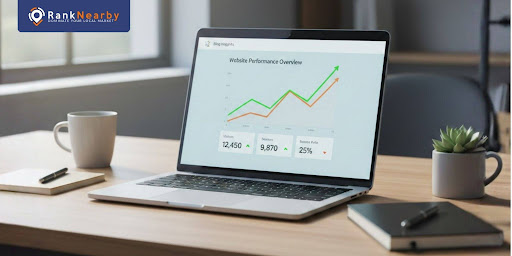
Data plays an important role in understanding why home service websites fail to convert traffic into leads. Without analyzing visitor behavior, contractors often rely on guesswork.
Tracking which pages visitors spend time on, where they exit, and which actions they take helps identify weak points. For example, if visitors leave before reaching contact pages, the issue may be page structure or unclear service explanations.
Using data allows contractors to refine website content, improve calls to action, and focus on lead generation strategies that attract serious prospects instead of casual browsers.
Understanding Your Audience for Higher-Quality Home Service Leads
Knowing the audience is the foundation of effective lead generation. Home service websites often fail when they try to appeal to everyone.
Contractors should focus on:
- Common customer problems
- Service urgency
- Location-based needs
- Typical decision timelines
When a contractor website reflects real customer concerns, visitors feel understood. This connection builds trust and increases the likelihood that traffic turns into meaningful leads.
Understanding audience intent also helps filter out visitors who are not ready to hire, improving overall lead quality.
The Role of Website Structure in Lead Conversion
Website structure has a direct impact on whether visitors take action. Many home service websites fail to convert traffic into leads because essential information is difficult to find.
Clear service pages, logical navigation, and visible contact options help guide visitors toward making an inquiry. When users feel lost or overwhelmed, they leave.
An optimized contractor website should make it easy to:
- Understand services quickly
- Learn what happens next
- Contact the business without confusion
Good structure supports better lead generation by reducing friction and encouraging action.
Why Trust Signals Matter for Contractor Website Leads
Trust plays a key role in converting traffic into leads. Visitors are more likely to reach out when they feel confident in the business.
Home service websites that lack credibility indicators often struggle with lead conversion. Clear service explanations, professional design, and helpful information all contribute to building trust.
When trust is missing, visitors hesitate, even if they need the service. Strengthening trust helps ensure that website traffic turns into real opportunities.
Turning Website Traffic Into Paying Jobs
Attracting better leads that turn into paying jobs requires alignment between content, audience, and website functionality. When these elements work together, lead generation becomes more effective.
Contractors who focus on clarity, audience understanding, and website optimization see better results from the same amount of traffic. Instead of chasing more visitors, they focus on improving the quality of home service leads.
This approach leads to consistent inquiries, stronger conversations, and higher conversion rates over time.
Fixing the Conversion Gap on Home Service Websites
Home service websites fail to convert traffic into leads when they prioritize visibility over intent, volume over quality, and design over function. The solution lies in understanding the audience, improving messaging, and using data to guide decisions.
By refining contractor websites and focusing on better lead generation practices, service providers can attract serious prospects who are ready to hire. Traffic becomes more valuable, and leads turn into real business growth.
Get Expert Guidance for Stronger Lead Conversion with Rank Nearby
If you want your website to attract better home service leads and turn traffic into paying jobs, Rank Nearby focuses on improving website structure, clarity, and lead quality through proven optimization practices.
A stronger online presence starts with understanding why visitors leave and what encourages them to take action. Rank Nearby helps bridge that gap by aligning your website with real customer intent.
FAQs
1. Why do home service websites get traffic but not leads?
Home service websites often attract visitors who are not ready to hire. This happens due to unclear messaging, weak structure, or content that does not match customer needs.
2. What causes low lead conversion on contractor websites?
Low lead conversion usually comes from poor website organization, confusing service pages, and a lack of clear next steps for visitors to contact the business.
3. How can home service businesses attract better-quality leads?
Better-quality leads come from understanding the target audience, clearly explaining services, and building website content that speaks to real homeowner problems.
4. Why is lead quality more important than lead volume?
High-quality leads are more likely to turn into paying jobs. Focusing on volume often brings unqualified inquiries that waste time and reduce efficiency.
5. How does website optimization improve lead generation?
Website optimization helps visitors find information easily, builds trust, and guides them toward contacting the business, which increases lead conversion rates.