For contractors looking to grow their business online, one key question often comes up: Do landing pages convert better than full websites? When it comes to contractor marketing, website conversion rates, and generating consistent contractor leads, the answer depends on your goals, audience, and strategy.
Both landing pages and full websites play an important role in digital marketing for contractors. A well-structured contractor website builds credibility, showcases services, and supports long-term SEO growth. On the other hand, a focused landing page is designed to drive immediate action, making it a powerful tool for boosting conversions.
Understanding the Difference: Landing Pages vs. Full Contractor Websites
Before comparing website conversion rates, it’s important to understand how each structure works.
What Is a Landing Page?
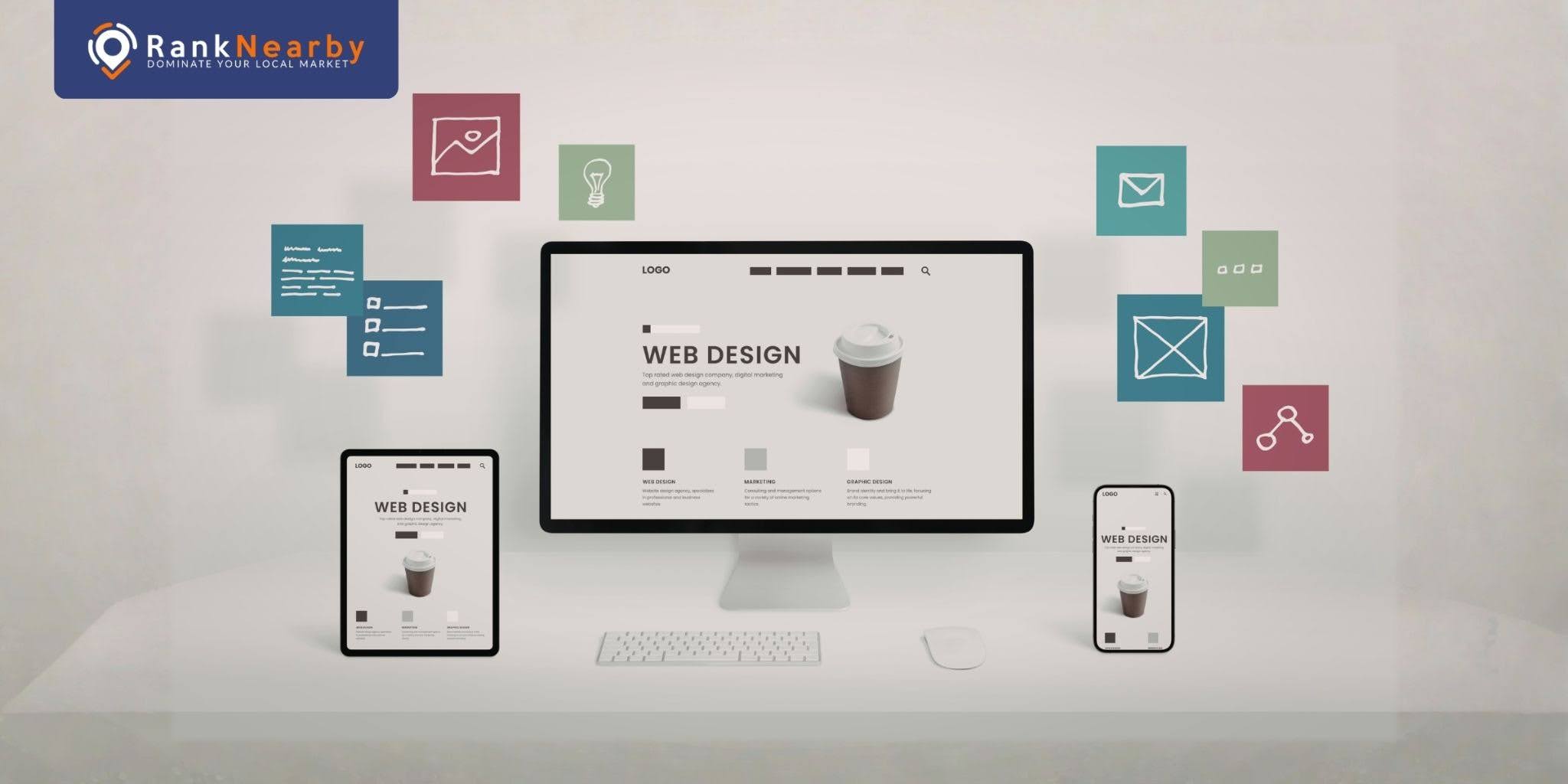
A landing page is a single, focused web page built around one primary goal such as collecting contact information, scheduling an estimate, or promoting a limited-time service offer. Unlike a full contractor website, a landing page minimizes distractions and guides visitors toward one clear call to action.
For contractors, landing pages are often used for seasonal service promotions, new service launches, service-area specific campaigns and limited-time repair or installation offers
What Is a Full Website?
A full website includes multiple pages, such as:
- Home
- About Us
- Services
- Service Areas
- Blog
- Contact
A contractor website supports broader goals like brand visibility, long-term SEO, credibility building, and educating potential customers.
Why Landing Pages Often Deliver Higher Website Conversion Rates
In many cases, landing pages convert better than full websites because they eliminate distractions and focus entirely on one action.
Here’s why landing pages can increase contractor leads:
1. Clear and Focused Messaging
Landing pages speak directly to a specific service or offer. Instead of listing all plumbing, HVAC, roofing, or remodeling services, they highlight one solution.
This focused messaging improves website conversion rates, lead form submissions, appointment bookings
When visitors are not overwhelmed with multiple navigation options, they are more likely to take action.
The Psychology Behind Scarcity and Urgency in Contractor Marketing
Scarcity and urgency tactics can significantly improve landing page performance when used correctly. These strategies influence decision-making and encourage faster responses from potential customers.
What Is Scarcity?
Scarcity limits availability either by time or quantity. For contractors, this might include:
- Limited appointment slots this week
- Seasonal service packages
- Limited availability before peak season
When customers see limited availability, they are more likely to book quickly.
What Is Urgency?
Urgency focuses on time-sensitive actions. For example:
- Offer ends Friday
- Schedule before the end of the month
- Book within 48 hours for priority service
These tactics increase website conversion rates by reducing procrastination.
How Contractors Can Use Scarcity Without Appearing Untrustworthy
Scarcity works best when it is honest and realistic. Overusing it can reduce trust and hurt your contractor marketing efforts.
Set Realistic Time Frames
Instead of creating constant emergency-style messaging, use genuine deadlines:
- “Winter inspection slots filling up for February”
- “Spring installation pricing available until March 31”
Clear, believable deadlines maintain professionalism.
Highlight Genuine Capacity Limits
If your team can only handle a certain number of projects per week, communicate that honestly. This builds transparency while encouraging faster decisions.
Offer Limited Service Packages
Contractors can create limited bundles such as:
- Seasonal maintenance packages
- Inspection + repair combinations
- Limited-time upgrade options
Explain why the offer is limited so customers understand the reason behind it.
Using Urgency on Landing Pages Without Sounding Pushy
Urgency is effective, but it must feel helpful rather than aggressive.
Use Clear Deadlines
Avoid vague phrases like “Act Now” without context. Instead, specify the timeline:
- “Schedule your free estimate before Friday”
- “Offer valid through the end of this month”
Specific deadlines feel more authentic and improve website conversion rates.
Display Real-Time Activity Carefully
Some websites show messages such as:
- “3 homeowners booked today”
- “Appointments filling quickly in your area”
When accurate, this reinforces demand without feeling misleading.
Strong but Professional Call-to-Action Buttons
Your CTA should be clear and action-oriented:
- “Book Your Free Estimate”
- “Request a Quote Today”
- “Schedule Service Now”
These CTAs encourage action while maintaining a professional tone.
When a Full Website Is Better for Contractors
While landing pages often produce higher short-term website conversion rates, full websites are essential for long-term contractor marketing success.
A contractor website helps with:
1. Building Trust and Authority
Homeowners want to see:
- Company history
- Certifications
- Reviews
- Service areas
- Project galleries
A full website supports credibility and reassures potential customers.
2. Supporting SEO and Organic Traffic
Multiple service pages improve search visibility for keywords like roofing contractor near me, HVAC repair services, kitchen remodeling contractor, local plumbing services
Landing pages alone usually cannot cover the broad keyword strategy needed for sustainable traffic growth.
3. Providing Detailed Information
Complex services often require explanation. A full contractor website allows you to educate customers and answer common questions.
The Best Strategy: Combining Landing Pages and a Full Website
Instead of choosing one over the other, most contractors benefit from using both.
- Use your full website for brand presence, SEO, and authority.
- Use landing pages for specific campaigns, promotions, and targeted services.
This combined strategy supports both long-term growth and immediate contractor leads.
For example:
- A roofing contractor might use the main website for general roofing services.
- A separate landing page could promote “Storm Damage Inspection – Limited Spring Appointments.”
This balance helps improve overall website conversion rates while maintaining credibility.
Avoiding a Spammy Look While Increasing Conversions
No matter which structure you use, professionalism is critical.
To maintain trust:
- Keep offers genuine
- Avoid exaggerated claims
- Use realistic deadlines
- Maintain consistent branding
- Ensure clear contact information
Scarcity and urgency should support your message not dominate it.
When done correctly, they increase conversions without damaging your contractor marketing reputation.
Measuring What Works for Your Contracting Business
Every market is different. Track key performance indicators such as:
- Website conversion rates
- Form submissions
- Phone inquiries
- Appointment bookings
- Time spent on page
Compare landing page performance with full website traffic to determine what generates the most contractor leads.
Data-driven decisions will help refine your digital marketing strategy over time.
Do landing pages convert better than full websites for contractors?
Landing pages often generate higher immediate website conversion rates because of their focused structure and strong calls to action. However, a full contractor website is essential for credibility, SEO growth, and long-term success.
For most contractors, the strongest approach is not choosing one over the other — it’s using both strategically.
Scarcity and urgency tactics can increase contractor leads when applied honestly and professionally. When balanced correctly, they encourage faster decisions without compromising trust.
Grow Your Contractor Website Strategy with Rank Nearby
If you want to improve your contractor marketing strategy, increase website conversion rates, and generate more qualified contractor leads, the team at Rank Nearby can help.
From building high-performing landing pages to developing full contractor websites designed for long-term growth, Rank Nearby provides structured solutions that support measurable results.
Contact Rank Nearby today to strengthen your online presence and start generating more consistent leads for your contracting business.
Frequently Asked Questions
1. Do landing pages convert better than full websites for contractors?
In many cases, landing pages achieve higher website conversion rates because they focus on one specific service or offer. By removing extra navigation and distractions, landing pages guide visitors toward a single action, such as requesting a quote or booking an appointment. However, a full contractor website is still essential for credibility and long-term SEO growth.
2. Should contractors use both a landing page and a full website?
Yes. The most effective contractor marketing strategy often includes both. A full website builds trust, showcases services, and supports search visibility, while landing pages are ideal for targeted campaigns, seasonal promotions, and service-specific offers that aim to generate immediate contractor leads.
3. How do scarcity and urgency improve website conversion rates?
Scarcity and urgency influence customer decision-making by encouraging faster action. When contractors clearly communicate limited appointment slots or time-sensitive offers, potential clients are less likely to delay contacting the business. When used honestly, these tactics can increase website conversion rates without harming trust.
4. Can too much urgency hurt a contractor’s credibility?
Yes. Overusing aggressive messaging or unrealistic deadlines can make a contractor website appear untrustworthy. The key is to use genuine time frames, transparent availability limits, and clear communication. Professional presentation always matters more than pressure tactics.
5. How can contractors measure whether their landing pages are working?
Contractors should track performance metrics such as website conversion rates, form submissions, phone calls, booked appointments, and overall contractor leads. Comparing landing page performance with full website data helps determine which strategy delivers the strongest results for their specific market.