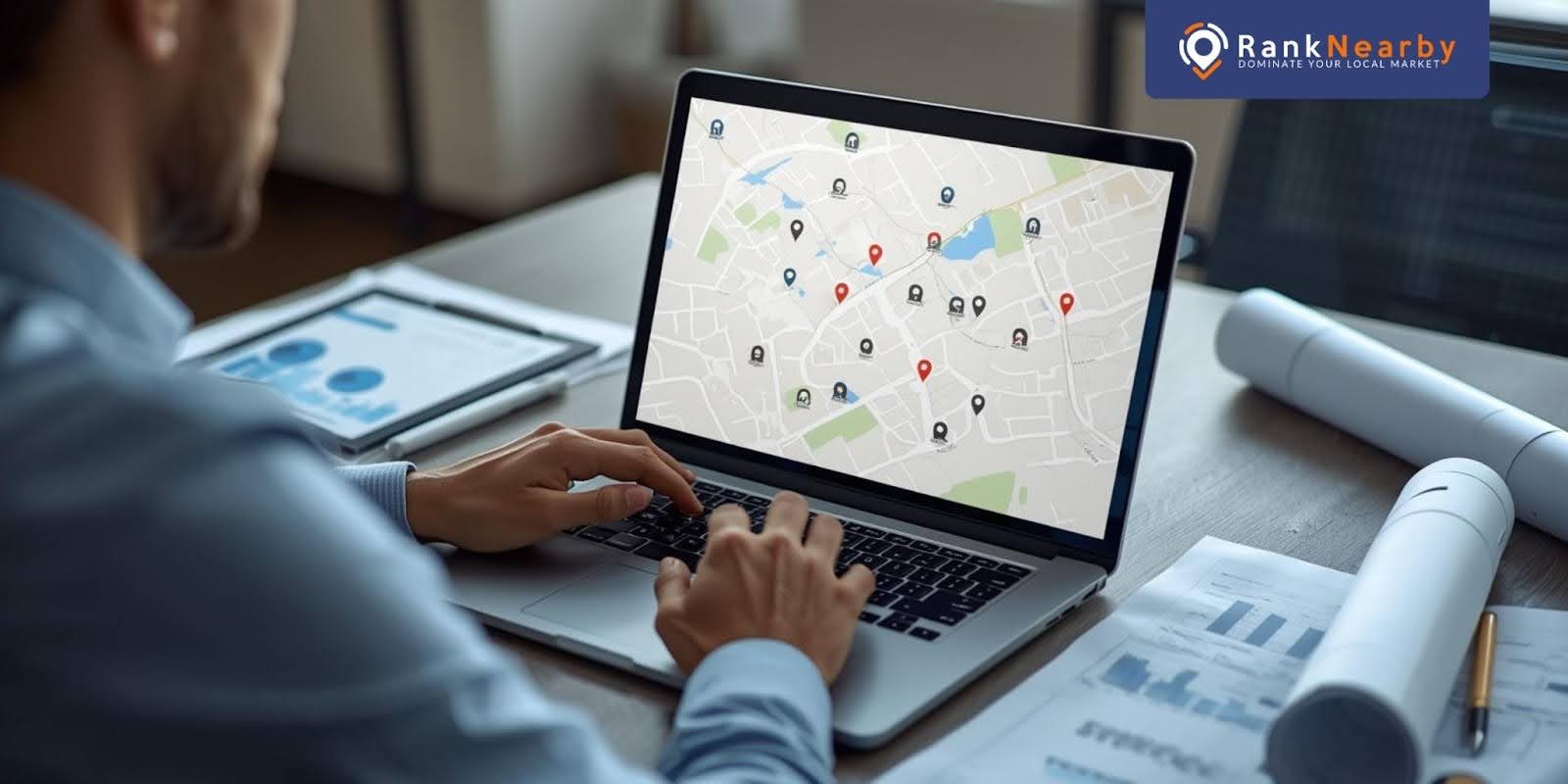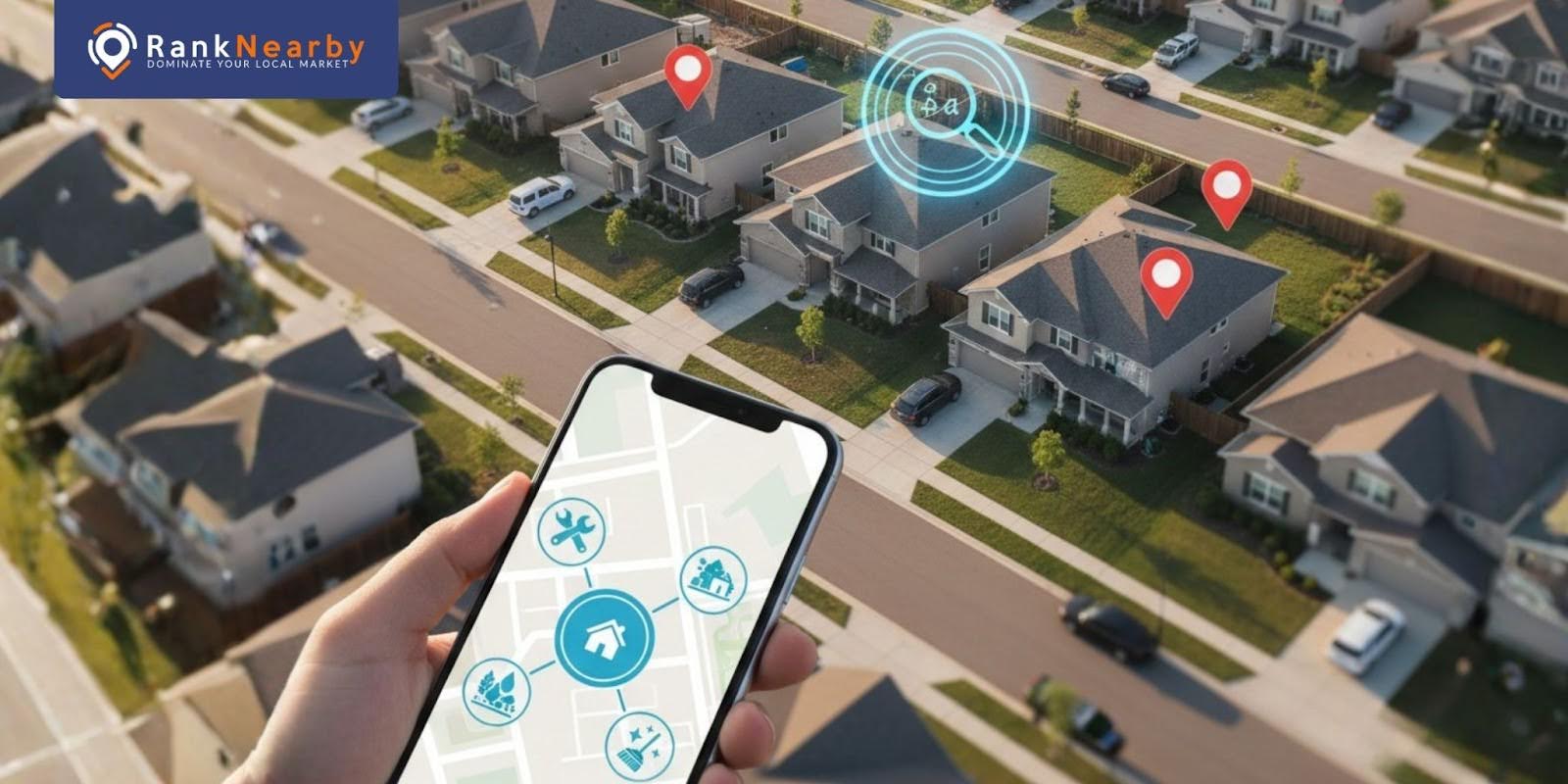

Hyper-local targeting has become one of the most effective ways for businesses to connect with nearby homeowners and build a strong presence in their local market. Instead of trying to appeal to a broad audience, hyper-local targeting focuses on reaching people within specific neighborhoods, streets, or service zones. This approach helps businesses appear more relevant, trustworthy, and visible to homeowners who are actively searching for services close to them.
For home service providers, hyper-local targeting is especially valuable. Nearby homeowners often prefer local professionals who understand regional needs, climate conditions, and community expectations. By focusing on hyper-local targeting, businesses can strengthen their local search presence, build authority within their community, and compete more effectively against larger, well-known brands.
Understanding Hyper-Local Targeting in a Local Market Context
Hyper-local targeting is a strategy that centers on highly specific geographic areas rather than broad regions. Instead of targeting an entire city or county, hyper-local targeting narrows the focus to individual neighborhoods, zip codes, or defined service areas.
This approach aligns closely with how nearby homeowners search online. Most homeowners look for services “near me” or within their immediate area. Hyper-local targeting ensures your business appears relevant for these searches by clearly connecting your services to precise locations.
In a competitive local market, this level of targeting helps businesses:
- Improve relevance in local search results
- Reach homeowners who are most likely to convert
- Reduce competition with businesses outside the service area
- Strengthen community recognition
By prioritizing proximity and relevance, hyper-local targeting allows businesses to connect with homeowners who value convenience and local expertise.
Why Nearby Homeowners Respond to Hyper-Local Strategies
Nearby homeowners are more likely to engage with businesses that feel familiar and accessible. Hyper-local targeting creates that familiarity by emphasizing location-based information and community awareness.
Homeowners often look for:
- Quick response from local providers
- Services tailored to local conditions
- Businesses that understand neighborhood-specific needs
- Clear service area coverage
Hyper-local targeting helps meet these expectations by ensuring that messaging, content, and online information reflect the homeowner’s immediate environment. This builds confidence and encourages engagement.
Strengthening Online Presence to Support Hyper-Local Targeting
A strong online presence is the foundation of successful hyper-local targeting. When nearby homeowners search online, search engines rely on consistent and accurate information to determine which businesses are most relevant.
To support hyper-local targeting, your online presence should clearly communicate:
- The exact home services you provide
- The specific neighborhoods or areas you serve
- Reliable contact information
- Detailed service categories
- Location-based keywords related to your local market
Consistency across all digital platforms reinforces trust and improves local search signals. When information matches across listings, websites, and profiles, search engines are more likely to associate your business with a specific geographic area.
Using Local-Focused Content to Attract Nearby Homeowners
Content plays a critical role in hyper-local targeting. Creating content that speaks directly to local homeowners helps establish authority and relevance within your service area.
Local-focused content ideas include:
- Home maintenance tips tailored to regional weather
- Seasonal checklists specific to local climate conditions
- Guides addressing common homeowner concerns in your area
- Neighborhood-specific service pages
- Articles highlighting local service trends
This type of content helps your business appear in local searches and demonstrates a clear understanding of community needs. While large competitors often publish general content, local-focused material allows smaller businesses to connect more deeply with nearby homeowners.
Hyper-Local Keywords and Search Visibility
Keywords are an essential part of hyper-local targeting. Using location-specific terms naturally throughout your content helps search engines understand where your business operates.
Effective hyper-local keyword usage includes:
- Neighborhood and area names
- Service-related phrases combined with location terms
- Long-tail keywords reflecting local intent
These keywords should be integrated naturally into headings, main content, and supporting text. Over time, this strengthens your visibility in local search results and attracts homeowners searching for services nearby.
Competing With Big Name Competitors Using Hyper-Local Targeting
Large brands often dominate broad searches, but hyper-local targeting allows smaller businesses to compete where it matters most within their own communities.
Big competitors usually focus on wide coverage areas, which can reduce their relevance for specific neighborhoods. Hyper-local targeting gives smaller businesses an advantage by focusing on:
- Neighborhood-level relevance
- Community-specific messaging
- Personalized local information
By being more precise and community-oriented, businesses can outrank larger competitors in local searches and attract nearby homeowners who prefer local expertise.
Building Trust Through Community Relevance
Trust is a major factor for nearby homeowners choosing a service provider. Hyper-local targeting supports trust-building by emphasizing community connection and consistency.
Ways to reinforce trust include:
- Clearly stating service areas
- Publishing content relevant to local homeowners
- Keeping business information accurate and updated
- Reflecting seasonal and regional needs in messaging
When homeowners see that a business understands their local environment, they are more likely to engage and return in the future.
Optimizing Local Search Signals for Better Reach
Hyper-local targeting works best when combined with strong local search optimization. Search engines evaluate several signals to determine local relevance.
Important local search signals include:
- Accurate business details
- Clear service area information
- Consistent location references
- Locally relevant content
Focusing on these elements improves your ability to reach nearby homeowners who are searching within your service area.
Refining Hyper-Local Targeting Through Ongoing Analysis
Hyper-local targeting is not a one-time effort. It requires regular evaluation and refinement based on homeowner behavior and local trends.
Reviewing performance helps identify:
- Which neighborhoods generate the most interest
- What type of local content performs best
- Seasonal shifts in homeowner needs
By adjusting your approach based on these insights, your hyper-local targeting strategy remains effective and aligned with your local market.
Long-Term Benefits of Hyper-Local Targeting for Local Growth
Over time, hyper-local targeting contributes to sustained local growth. As your business becomes more visible and trusted within specific neighborhoods, it builds long-term authority in the local market.
Benefits include:
- Stronger local brand recognition
- Increased engagement from nearby homeowners
- Improved local search visibility
- Reduced competition from non-local providers
This steady growth helps businesses maintain a strong presence within their community while adapting to changing homeowner needs.
How Hyper-Local Targeting Supports Community-Based Success
Hyper-local targeting goes beyond visibility. It supports meaningful connections with nearby homeowners by emphasizing relevance, proximity, and trust.
By focusing on local optimization, consistent information, and community-driven content, businesses can build lasting relationships with homeowners and stand out in their local market.
Conclusion
If your goal is to attract more nearby homeowners and improve visibility in your local market, focusing on hyper-local targeting is a powerful step forward. By creating local-focused content, maintaining accurate online information, and highlighting your community expertise, you can build lasting trust with homeowners. Visit Rank Nearby to explore how local-focused strategies, consistent online presence, and community relevance can support long-term local success.