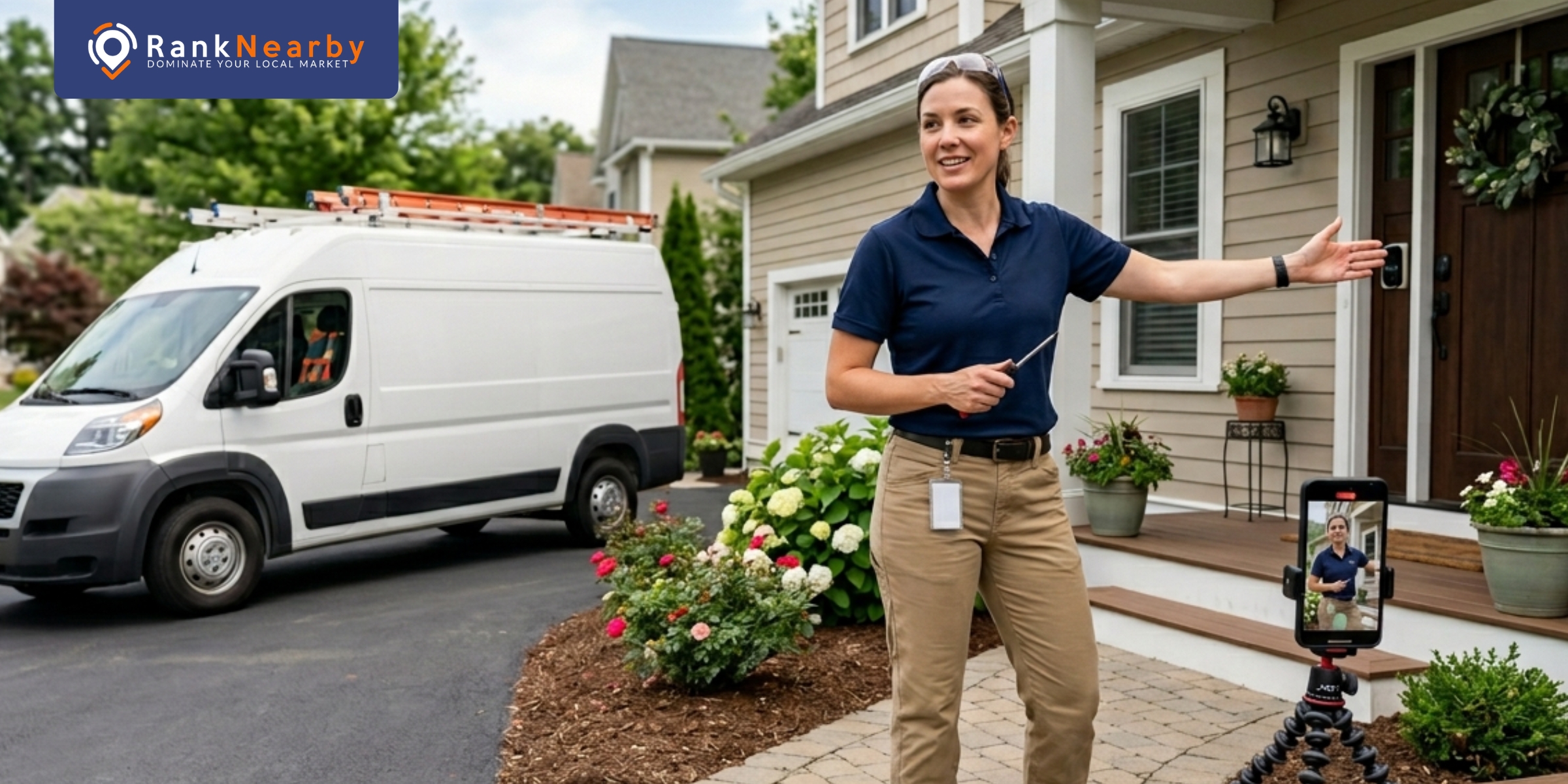

Today CRM automation, lead follow-up, and workflow automation have become essential for home service companies that want consistent and sustainable growth. Whether you offer plumbing, HVAC, landscaping, cleaning, or repair services, managing leads efficiently plays a major role in determining your success.
Many businesses struggle with delayed responses, missed inquiries, or inconsistent communication. These gaps often result in lost opportunities and reduced customer trust. By using CRM (Customer Relationship Management) systems along with marketing automation, home service companies can ensure that every lead is captured, tracked, and followed up effectively.
More importantly, CRM automation doesn’t just help with initial lead follow-up it also supports long-term engagement, helping businesses turn one-time customers into repeat clients through structured communication and personalized interactions.
Why Lead Follow-Up Matters More Than Ever
For home service companies, timing is everything. Customers usually reach out when they need immediate assistance, and even a small delay can lead them to choose a competitor.
Effective lead follow-up ensures that every inquiry receives a timely response. Potential customers feel valued from the first interaction. Conversion rates improve significantly, and customer trust is established early.
Without a proper system, managing multiple leads manually becomes overwhelming. CRM automation simplifies this process by organizing and prioritizing leads so no opportunity is missed.
What Is CRM Automation and How It Works
CRM automation refers to using technology to manage customer relationships and automate repetitive tasks like follow-ups, scheduling, and communication.
A CRM system acts as a central hub where all customer data is stored, including contact details, service history, and previous interactions. When combined with workflow automation, it creates a streamlined system that handles routine processes without manual effort.
For home service companies, this means:
- Automatically capturing leads from calls, forms, or messages
- Storing all customer information in one place
- Scheduling follow-ups without human intervention
- Maintaining consistent communication with clients
This organized approach improves efficiency and allows businesses to focus on delivering quality service.
Key Ways CRM Automation Improves Lead Follow-Up
Faster Response Times
One of the biggest advantages of CRM automation is instant response capability. As soon as a lead is generated, the system can send an acknowledgment message or notification.
This immediate interaction reassures potential customers that their request has been received and is being processed.
Organized Lead Management
Managing multiple leads manually can lead to confusion and missed opportunities. CRM systems categorize and organize leads based on priority, service type, or location.
This structured lead tracking helps teams stay focused and ensures timely follow-ups.
Automated Communication
With marketing automation, businesses can send pre-scheduled messages such as:
- Welcome messages for new inquiries
- Appointment confirmations
- Service reminders
- Follow-up messages after job completion
These automated touchpoints maintain consistent communication without requiring constant manual effort.
Better Team Coordination
Workflow automation assigns tasks automatically, ensuring that every team member knows their responsibilities.
For example:
- Leads can be assigned to available staff instantly
- Follow-ups can be scheduled without manual input
- Service requests can be routed efficiently
This reduces delays and improves overall response time.
Personalized Customer Interactions
CRM systems store valuable customer data, allowing businesses to personalize communication based on preferences and service history.
Personalized follow-ups create a more meaningful connection and increase the likelihood of converting leads into customers.
Turning One-Time Customers Into Repeat Clients
Improving lead follow-up is only the beginning. Long-term success depends on building relationships that encourage repeat business.
Consistent Engagement
After completing a service, CRM automation helps maintain communication through:
- Thank-you messages
- Maintenance reminders
- Seasonal service updates
- Feedback requests
This ongoing interaction keeps your business relevant to customers.
Strengthening Customer Relationships
A CRM system ensures that every interaction is recorded and accessible. This allows businesses to understand customer needs better and respond accordingly.
Over time, this builds trust and encourages customers to return for future services.
Encouraging Loyalty and Referrals
Satisfied customers are more likely to recommend your services. By maintaining consistent communication and providing a positive experience, businesses can generate referrals and repeat bookings.
How Marketing Automation Supports CRM
While CRM systems focus on managing customer data, marketing automation handles communication and engagement.
It ensures that customers receive timely updates and relevant information without manual effort.
Examples include:
- Sending educational tips related to services
- Sharing maintenance advice
- Requesting reviews after service completion
These interactions help maintain a strong connection with customers and improve overall satisfaction.
The Importance of Workflow Automation in Daily Operations
Workflow automation plays a key role in improving efficiency by reducing manual tasks.
Benefits of Workflow Automation:
- Saves time by automating repetitive processes
- Reduces errors in scheduling and communication
- Improves team productivity
- Ensures consistent service delivery
By automating routine operations, businesses can focus more on customer satisfaction and service quality.
Compliance Support and Data Organization
For many home service companies, maintaining accurate records is essential. CRM systems with compliance support help ensure that all customer data and service records are properly managed.
This includes:
- Secure storage of customer information
- Organized documentation of services
- Easy access to communication history
Having a structured system improves accountability and keeps operations well-organized.
Choosing the Right CRM System for Your Business
Selecting the right CRM system is an important decision that can impact your workflow and efficiency.
Key Features to Look For:
- User-friendly interface for easy adoption
- Strong automation features for follow-ups
- Reliable compliance support
- Customization options to match your business needs
- Integration with scheduling and communication tools
There are several CRM solutions available that cater to different industries. It’s important to evaluate options and choose one that aligns with your operations.
Common Mistakes to Avoid in Lead Follow-Up
Even with CRM automation, certain mistakes can reduce effectiveness:
- Delayed responses despite having automation tools
- Sending too many messages, leading to customer fatigue
- Lack of personalization in communication
- Ignoring customer feedback
Avoiding these mistakes ensures better results and stronger customer relationships.
Long-Term Benefits of CRM Automation
When used effectively, CRM automation provides long-term advantages for home service companies: higher lead conversion rates, improved customer retention, better operational efficiency, and stronger brand reputation.
These benefits contribute to consistent growth and a more stable business model.
Conclusion
CRM automation, lead follow-up, and workflow automation are essential for home service companies that want to stay competitive and organized. By automating communication, managing customer data efficiently, and maintaining consistent engagement, businesses can ensure that every lead is handled properly.
More importantly, these systems help build lasting relationships with customers, turning one-time clients into repeat customers. With the right strategy, CRM automation becomes a powerful tool for long-term success.
Take the Next Step with Rank Nearby
If you’re looking to improve your lead follow-up, strengthen customer relationships, and implement effective CRM automation, visit Rank Nearby to explore strategies that support business growth and efficiency.
FAQs
1. What is CRM automation in simple terms?
CRM automation uses technology to manage customer data and automate tasks like follow-ups and scheduling. It helps businesses save time and improve communication.
2. How does CRM automation improve lead follow-up?
It ensures instant responses, organized lead tracking, and automated reminders. This helps businesses respond quickly and convert more leads.
3. Can small home service businesses use CRM systems?
Yes, many CRM systems are designed for small businesses and are easy to use. They help improve efficiency without requiring large teams.
4. What is the role of workflow automation in CRM?
Workflow automation handles repetitive tasks like assigning leads and sending notifications. This improves productivity and reduces manual errors.
5. Why is customer retention important for home service companies?
Retaining customers is more cost-effective than acquiring new ones. It also leads to repeat business, referrals, and long-term growth.